Miami Cost of Living Crisis Forces Residents to Leave
The Miami cost of living crisis is driving a growing divide as rising expenses push many residents out while luxury real estate demand continues to surge.
Recent data shows that a record number of residents left the city between 2024 and 2025. At the same time, Miami has surpassed New York as the largest luxury housing market in the United States, highlighting a major shift in the city’s economic landscape.
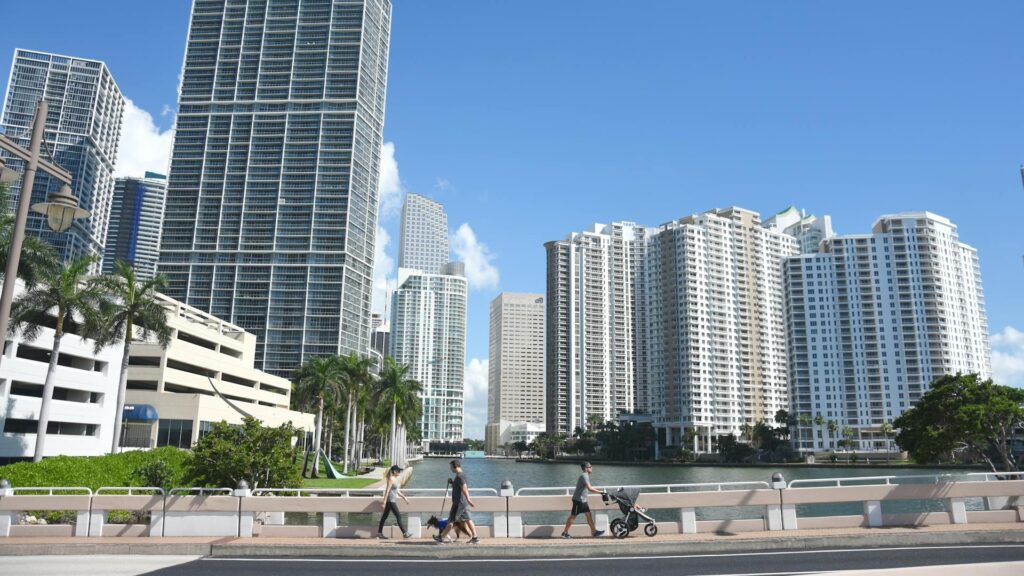
How the Miami Cost of Living Crisis Is Pushing Residents Out
The increasing cost of living remains a key factor behind the migration trend. Expenses in Miami are now estimated to be around 20 percent higher than the national average, making it difficult for many households to keep up.
Housing costs have been a major contributor. Rent prices continue to rise with each lease renewal, while home prices remain elevated due to limited supply and strong demand, according to housing market reports.
In addition to housing, everyday expenses have also increased:
- Utility and internet costs have gone up steadily
- Food and transportation prices remain high
- Insurance premiums, particularly home insurance, have surged
Although wages have increased in some sectors, they have not kept pace with overall expenses. As a result, many residents are finding it harder to maintain their standard of living.
Changes in lifestyle patterns since the pandemic have also played a role. Rising commercial rents and fewer accessible public spaces have reduced community interaction, making daily life feel more transactional, analysts say.
Migration Trends Shift to More Affordable Cities
As affordability declines, many former residents are relocating to areas with lower costs and better economic opportunities.
Some are moving to other parts of Florida, while others are heading out of state. Popular destinations include cities in Texas such as Houston and Dallas, as well as metropolitan areas in North Carolina and the Washington, D.C. region.
These locations offer relatively lower housing costs and, in many cases, stronger job markets. Experts say the ability to earn more while spending less is a key reason behind these moves.
This trend reflects a broader national pattern, where people are leaving high-cost cities in favor of more affordable regions.
Luxury Market Continues to Expand
While many residents are leaving, Miami’s luxury real estate market is growing rapidly. By the end of 2025, the city recorded more than 10,000 active listings priced above $1 million, according to industry data.
High-value property sales have become more frequent, with homes priced above $10 million selling regularly.
Several factors are driving this demand. Florida’s tax policies remain a major attraction, particularly the absence of state income tax. This provides financial advantages for high-income individuals.
Additionally, Miami’s growing role as a financial hub has increased its appeal. Financial firms and investment companies have expanded their presence in South Florida, making it easier for executives and investors to relocate, experts note.
However, analysts warn that this growth is creating a two-tier housing market, where the luxury segment continues to thrive while the middle market faces pressure.
Economic Divide Raises Long-Term Concerns
The current trend suggests that Miami is undergoing a significant economic shift. While increased investment and development are boosting the city’s economy, the departure of middle- and working-class residents could affect long-term stability.
Experts say that if wages do not keep pace with rising costs, the economic gap may continue to widen.
At the same time, Miami has a history of adapting to change. The city has evolved through multiple economic cycles, and its ability to adjust may play a key role in shaping its future.
Conclusion
Miami’s changing landscape highlights the growing impact of rising living costs on urban populations. As more residents leave and luxury development expands, the city faces increasing pressure to balance growth with affordability.
How Miami addresses these challenges will likely determine its long-term economic and social stability.
Also Read – Georgia Wildfire Destroy Over 120 Homes in Minutes


















































































Post Comment